
- Budget level
- Mid-range
- Best months
- Apr, May, Sep, Oct
- Ideal trip length
- 12–18 days
- Region
- East Asia
Overview
China spans roughly 5,000km east to west and covers subarctic forest in the northeast, arid desert and grassland in the northwest, subtropical rivers and karst in the south and tropical beaches on Hainan — so there is no single national climate or season. What makes it unusually easy to travel is infrastructure: the high-speed rail network is the largest in the world and links most major cities faster than flying door-to-door. Classic first trips combine Beijing, Xi'an and Shanghai, adding Chengdu or the karst landscapes around Guilin and Yangshuo. Payment and booking run through domestic mobile apps, which is the main practical adjustment for visitors.
Climate: Continental scale with no single national pattern: cold dry northern winters, hot humid eastern summers, subtropical south, arid northwest and high-altitude Tibetan plateau.
Plan 12–18 days to see China without rushing. Shorter trips work best from a single base; longer trips justify a second region.
Plan & book
Flights, stays and activities for China will be bookable here soon. For now, check how China fits your budget and dates with the trip finder.
Route and fare comparison will appear here once flight partners are connected.
Curated stays by area and budget will appear here once hotel partners are connected.
Bookable experiences will appear here once activity partners are connected.
Rental pickup options will appear here once car partners are connected.
Cover options will appear here once insurance partners are connected.
Why go to China
- Rated 10/10 for food (editorial score)
- Rated 10/10 for culture (editorial score)
- Rated 9/10 for nature (editorial score)
- Mid-range for daily spending
- Works best on trips of 12–18 days
Travel-style scores
- Beach4/10
- Nature9/10
- Food10/10
- Nightlife7/10
- Culture10/10
- Adventure8/10
- Romance6/10
- Family7/10
- Backpacking6/10
- Luxury8/10
These are WhereWeGo editorial scores — our own calibration of what China is good for, not an external measurement.
Check the match for your dates and budgetBudget
Typical independent-travel estimates, excluding international flights. Planning estimates, not quotes.
Budget
$30–$55
per person, per day (estimate)
Hostels, buses, markets and self-catering
Mid-range
$80–$140
per person, per day (estimate)
Hotels or apartments, restaurants, some tours
Higher-end
$220–$380+
per person, per day (estimate)
Upscale stays, private transport, fine dining
Ranges, not quotes. Beijing, Shanghai and Shenzhen sit well above inland cities such as Xi'an, Chengdu or Guilin, and high-speed rail between regions is a meaningful additional line item on a multi-city trip.
Flights are not included. We only show flight prices once they come from a live fare source.
Practical information
- Language
- Mandarin Chinese; English signage is common in big-city transport but limited elsewhere — translation apps are genuinely useful
- Currency
- Chinese yuan renminbi (CNY); mobile payments dominate over cash and foreign cards
- Power
- Type A/C/I, 220V
- Safety
- Low levels of street crime; the practical difficulties are language, app-based systems and regional access rules
- Tipping
- Not customary
- Entry
- Entry rules change frequently and vary by nationality, including visa-free and transit schemes for some passports — verify current official requirements before booking. Tibet requires a separate permit and an organised tour.
Where to go in China
Pick a city or region to see when to go, how long to stay and what it is good for.

Beijing
Imperial capital of the Forbidden City, hutong lanes and the Great Wall on its doorstep.
Explore Beijing
Shanghai
Riverfront skyline, art deco Bund, contemporary art and the country's best restaurant range.
Explore Shanghai
Xi'an
Terracotta Army, an intact city wall and the Muslim Quarter food streets.
Explore Xi'an
Guilin & Yangshuo
Karst peaks along the Li River — cycling, bamboo rafting and terraced rice fields.
Explore Guilin & Yangshuo
Chengdu
Teahouse pace, Sichuan cooking and the giant panda breeding base.
Explore Chengdu
Yunnan — Lijiang & Shangri-La
Old towns, gorges and Tibetan-influenced highlands in the southwest.
Explore Yunnan — Lijiang & Shangri-La
Zhangjiajie
Sandstone pillar forest and glass walkways in Hunan's national forest park.
Explore Zhangjiajie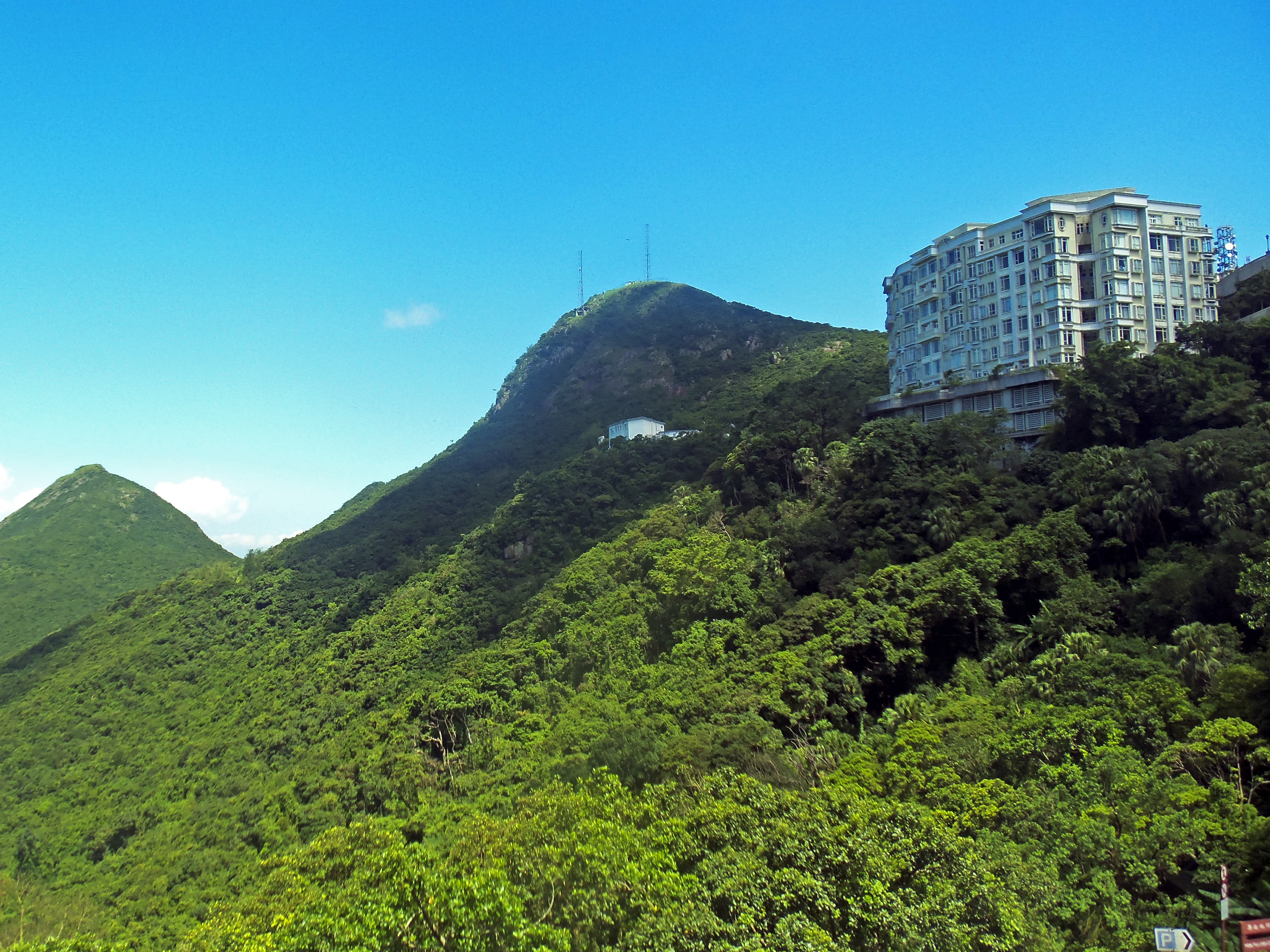
Hong Kong
Harbour skyline, hiking trails and dense food culture in the special administrative region.
Explore Hong KongWhen to go to China
Highlighted months balance weather, crowds and price for most travellers.
Spring · Apr–May
Generally the best all-round window in the classic Beijing–Xi'an–Shanghai corridor: mild, drier and clear.
Autumn · Sep–Oct
The other prime window, with comfortable temperatures — but October's first week is a national holiday and extremely busy.
Summer · Jun–Aug
Hot and humid in the east and south with a rainy season; better suited to Yunnan highlands, Inner Mongolia and the far northwest.
Winter · Nov–Mar
Cold and dry in the north — Harbin's ice festival is a genuine winter draw, while the south stays mild and damp.
Regional caveat · Year-round
Tibet, Xinjiang and the tropical south run on entirely different seasons and access rules from the eastern cities.
Seasonality & crowds
How busy China typically feels month by month.
- Quiet
- Moderate
- Busy
- Peak
National approximation for decision support only — it never affects match scores. Chinese domestic travel dominates the curve: Lunar New Year (late Jan or Feb), the May Day break, the summer school holidays and the first week of October produce the heaviest pressure on trains, hotels and sites. Book rail and headline attractions well ahead of those windows.
Informative only — crowd levels do not affect your match percentage.
Suggested itineraries
China classic
12 daysThe headline three by high-speed rail.
Route: Beijing → Xi'an → Shanghai
Classic plus karst
15 daysAdds pandas and the Li River landscapes.
Route: Beijing → Xi'an → Chengdu → Guilin & Yangshuo → Shanghai
Southwest landscapes
14 daysYunnan highlands, Sichuan food and southern karst.
Route: Chengdu → Yunnan — Lijiang & Shangri-La → Guilin & Yangshuo
Getting around China
- High-speed rail is the default for intercity travel — the world's largest such network, and usually faster than flying between eastern cities
- Domestic flights make sense for the far west, Tibet, Yunnan and Hainan
- Major cities have extensive, cheap and signposted metro systems
- Ride-hailing and mobile payment apps replace cash almost everywhere — set them up before arrival
- Passports are required to buy rail tickets and enter stations, and for hotel check-in
Major airports
PEK · Beijing
Beijing Capital International
PKX · Beijing
Beijing Daxing International
PVG · Shanghai
Shanghai Pudong International
CAN · Guangzhou
Guangzhou Baiyun International
CTU · Chengdu
Chengdu Tianfu International
XIY · Xi'an
Xi'an Xianyang International
China guides
Best time to visit
Best time to visit China
When to go to China: the months that balance weather, crowds and price, plus what each season actually feels like.
Trip costs
How much does a trip to China cost?
A structured breakdown of flights, lodging, transport and food for a 18-day trip to China at three budget levels.
Where to go
Where to go in China
Matching China's regions and cities to trip types — first-timers, beach weeks, food trips and family holidays.
Budget guide
China on a budget
How to travel China cheaply without gutting the trip — daily numbers, cheaper months and where the savings actually are.
Itinerary
18 days in China: itinerary
A realistic 18-day route through China with sensible stop lengths, travel days and costs.
Seasonal guide
China in April
What China is like in April: weather, crowds, prices and the trips that work best that month.
More destinations in East Asia


Sources & methodology
Last verified Aug 2026
- Official facts
- Rail network scale and intercity connectivity come from the national rail operator; heritage-site status from UNESCO; destination framing from official tourism material. Visa and permit rules change often and must be checked at booking time.
- Cost estimates
- Daily costs are ranges built from traveller-reported benchmarks, excluding international flights. Regional variation is large enough that a single national average would be misleading.
- Editorial scores
- Travel-style scores are Where We Go editorial calibration — a judgement of what the country is good for, not an external measurement.
References
- China National Tourist Office — official destination informationOfficial tourism board
- China State Railway Group — national rail networkRail operator
- UNESCO — World Heritage sites in ChinaOfficial statistics
- Budget Your Trip — China cost benchmarkTraveller-reported data
Match percentages weight budget fit 25%, interests 25%, weather 15%, trip duration 15%, accessibility 10% and traveller type 10%. Seasonality and crowding are shown for context only and never change the score.