
Philippines
Over seven thousand islands — limestone lagoons, reefs and surf, reached island by island
- Budget level
- Affordable
- Best months
- Jan, Feb, Mar, Apr, May
- Ideal trip length
- 12–18 days
- Region
- Southeast Asia
Overview
The Philippines is an archipelago of more than 7,000 islands spread across three main groups: Luzon in the north, the Visayas in the middle and Mindanao in the south. It is the region's strongest pure island destination — El Nido and Coron's limestone lagoons, the reefs off Cebu and Bohol, Siargao's surf — but it is also the most logistically demanding, because almost every leg involves a flight, ferry or van transfer. Climate is tropical and varies by coast: the country's weather service classifies several distinct rainfall types, so the west and east sides of the archipelago have opposite wet seasons. The typhoon season runs broadly June to November, mainly affecting the east and north.
Climate: Tropical maritime with several distinct regional rainfall patterns rather than one national season, plus a June–November typhoon season concentrated in the east and north.
Plan 12–18 days to see Philippines without rushing. Shorter trips work best from a single base; longer trips justify a second region.
Plan & book
Flights, stays and activities for Philippines will be bookable here soon. For now, check how Philippines fits your budget and dates with the trip finder.
Route and fare comparison will appear here once flight partners are connected.
Curated stays by area and budget will appear here once hotel partners are connected.
Bookable experiences will appear here once activity partners are connected.
Rental pickup options will appear here once car partners are connected.
Cover options will appear here once insurance partners are connected.
Why go to Philippines
- Rated 10/10 for beach (editorial score)
- Rated 9/10 for nature (editorial score)
- Rated 9/10 for adventure (editorial score)
- Affordable for daily spending
- Works best on trips of 12–18 days
Travel-style scores
- Beach10/10
- Nature9/10
- Food7/10
- Nightlife7/10
- Culture6/10
- Adventure9/10
- Romance8/10
- Family7/10
- Backpacking8/10
- Luxury7/10
These are WhereWeGo editorial scores — our own calibration of what Philippines is good for, not an external measurement.
Check the match for your dates and budgetBudget
Typical independent-travel estimates, excluding international flights. Planning estimates, not quotes.
Budget
$22–$45
per person, per day (estimate)
Hostels, buses, markets and self-catering
Mid-range
$55–$105
per person, per day (estimate)
Hotels or apartments, restaurants, some tours
Higher-end
$170–$320+
per person, per day (estimate)
Upscale stays, private transport, fine dining
Ranges, not quotes. Everyday costs are low, but internal flights, boat transfers and island-hopping tours are the recurring extras that decide the real budget — El Nido and Siargao run noticeably above the national norm.
Flights are not included. We only show flight prices once they come from a live fare source.
Practical information
- Language
- Filipino and English are both official; English is very widely spoken
- Currency
- Philippine peso (PHP)
- Power
- Type A/B/C, 220V
- Safety
- Most tourist areas are straightforward; parts of Mindanao carry official travel warnings and sea/weather conditions are the main practical risk — check current advice
- Tipping
- Appreciated, around 10%; a service charge is often added
- Entry
- Many nationalities enter visa-free for short stays and an online arrival registration is usually required — verify current official requirements before booking.
Where to go in Philippines
Pick a city or region to see when to go, how long to stay and what it is good for.
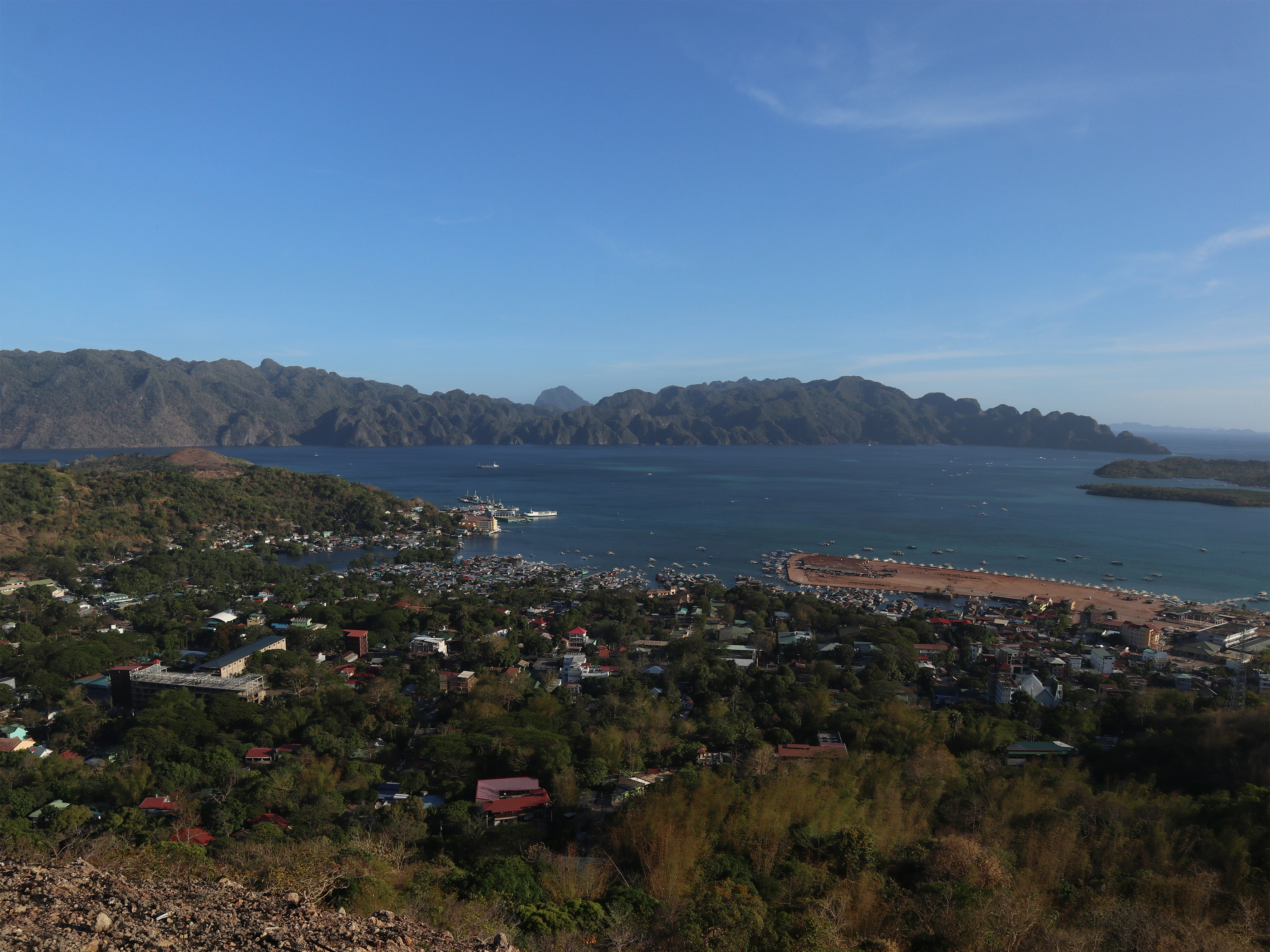
Palawan — El Nido & Coron
Limestone karst lagoons, hidden beaches and wreck diving — the country's signature scenery.
Explore Palawan — El Nido & Coron
Siargao
Surf island of Cloud 9, palm interiors, lagoons and a relaxed scene.
Explore Siargao
Cebu & Bohol
Canyoneering, waterfalls, whale sharks, Chocolate Hills and easy air access.
Explore Cebu & Bohol
Boracay
White Beach — the country's most developed resort island, with regulated visitor rules.
Explore Boracay
Banaue & Sagada
Cordillera rice terraces, caves and pine-covered mountain villages in northern Luzon.
Explore Banaue & Sagada
Manila
The main gateway — Intramuros history, museums and a big-city food and bar scene.
Explore Manila
Donsol & Bicol
Whale-shark interactions, Mayon volcano and lesser-visited southern Luzon coast.
Explore Donsol & BicolWhen to go to Philippines
Highlighted months balance weather, crowds and price for most travellers.
Dry season (west-facing areas) · Nov/Dec–May
The main travel window for Palawan, Boracay, Manila and most of the classic island route.
Hottest · Mar–May
Dry and very hot; Holy Week is the biggest domestic travel period of the year.
Wet season · Jun–Oct
Southwest monsoon rain over much of the west, with lower prices and greener landscapes between systems.
Typhoon season · Jun–Nov
Storms are most frequent in this window and mainly affect eastern Luzon, Bicol, Samar and the north. Build flexibility into ferry and flight plans.
Eastern seaboard · Nov–Jan wettest
Siargao and the eastern Visayas follow a different pattern from the west and are wettest late in the year — though that is also the best surf season.
Seasonality & crowds
How busy Philippines typically feels month by month.
- Quiet
- Moderate
- Busy
- Peak
National approximation for decision support only — it never affects match scores. Holy Week (March or April) and the Christmas–New Year period are the strongest domestic peaks, when flights and ferries sell out early. Island demand is uneven: Siargao peaks with the swell, not with the national curve.
Informative only — crowd levels do not affect your match percentage.
Suggested itineraries
Palawan first-timer
10 daysManila stopover then the lagoons of El Nido and Coron.
Route: Manila → Palawan — El Nido & Coron
Visayas and surf
14 daysCebu adventure, Bohol beaches and a Siargao finish.
Route: Cebu & Bohol → Siargao
Islands and mountains
16 daysNorthern rice terraces plus two island bases.
Route: Manila → Banaue & Sagada → Palawan — El Nido & Coron → Cebu & Bohol
Getting around Philippines
- Domestic flights are the backbone of any multi-island trip and are cheap if booked early
- Ferries and fast craft link the Visayan islands; schedules are weather-dependent
- Bangka outrigger boats run the island-hopping tours in Palawan, Coron and El Nido
- Vans, buses and jeepneys handle overland legs; journeys are slower than distances suggest
- Tricycles and ride-hailing cover short local trips
Major airports
MNL · Manila
Ninoy Aquino International — the main hub
CEB · Cebu
Mactan–Cebu International
CRK · Angeles
Clark International — alternative Luzon gateway
PPS · Puerto Princesa
Puerto Princesa International — Palawan
IAO · Siargao
Sayak Airport — Siargao
MPH · Caticlan
Godofredo P. Ramos (Caticlan) — Boracay gateway
Philippines guides
Best time to visit
Best time to visit Philippines
When to go to Philippines: the months that balance weather, crowds and price, plus what each season actually feels like.
Trip costs
How much does a trip to Philippines cost?
A structured breakdown of flights, lodging, transport and food for a 18-day trip to Philippines at three budget levels.
Where to go
Where to go in Philippines
Matching Philippines's regions and cities to trip types — first-timers, beach weeks, food trips and family holidays.
Budget guide
Philippines on a budget
How to travel Philippines cheaply without gutting the trip — daily numbers, cheaper months and where the savings actually are.
Itinerary
18 days in Philippines: itinerary
A realistic 18-day route through Philippines with sensible stop lengths, travel days and costs.
Seasonal guide
Philippines in January
What Philippines is like in January: weather, crowds, prices and the trips that work best that month.
More destinations in Southeast Asia

Indonesia
The world's largest archipelago — volcanoes, reefs and a different culture on every island
- Budget
- Affordable · ~$95/day
- Best months
- May · Jun · Jul · Aug · Sep
- Ideal trip length
- 12–18 days

Malaysia
Peninsular heritage cities and Bornean rainforest, with the region's best food value
- Budget
- Affordable · ~$90/day
- Best months
- Jan · Feb · Mar · Jun · Jul · Aug
- Ideal trip length
- 10–16 days
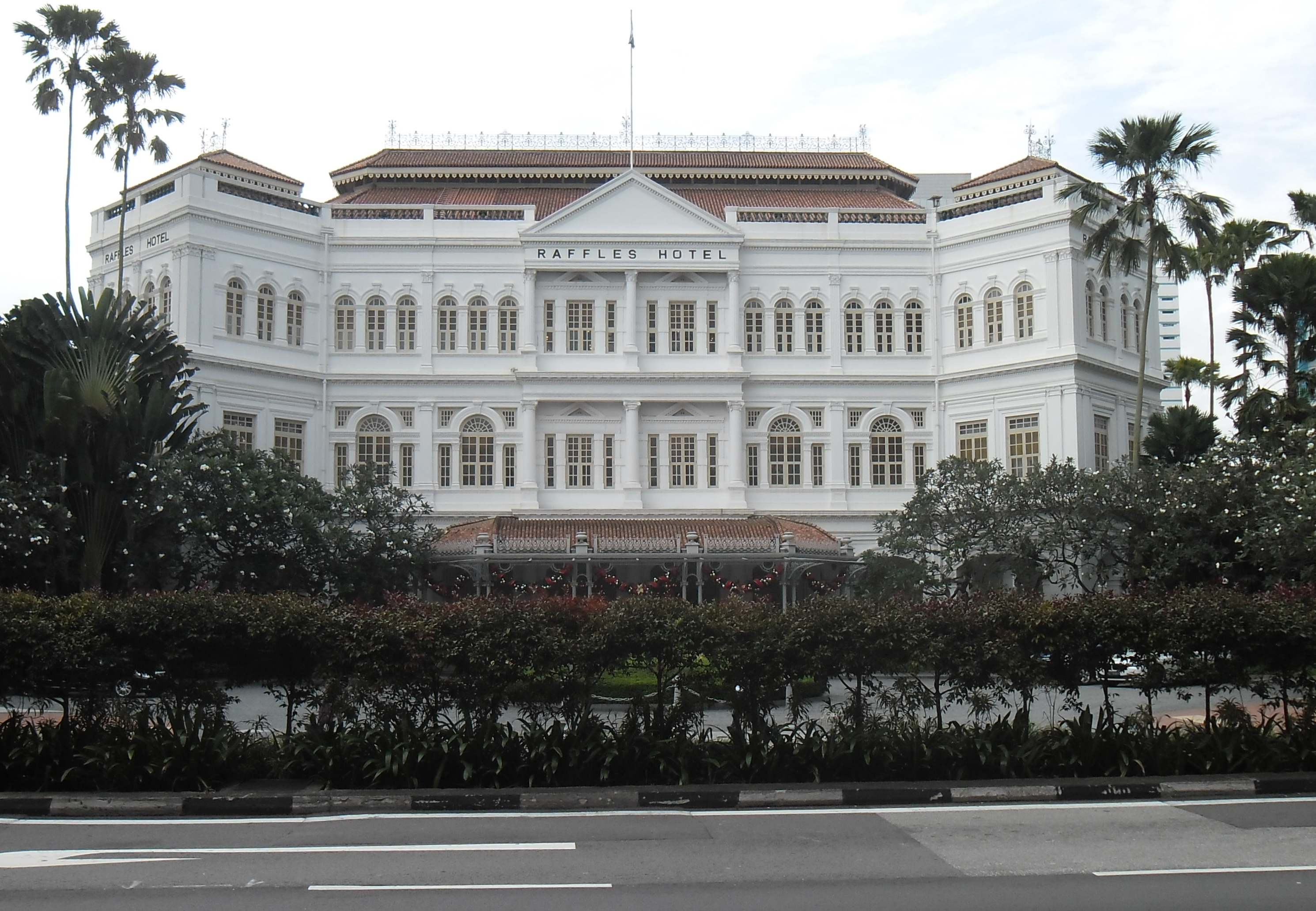
Singapore
A city-state you can cross in an hour — hawker food, gardens and Asia's smoothest arrival
- Budget
- Higher cost · ~$160/day
- Best months
- Feb · Mar · Apr · May · Jun · Jul · Aug
- Ideal trip length
- 3–5 days

Thailand
Cities, northern mountains and two very different coasts
- Budget
- Affordable · ~$92/day
- Best months
- Nov · Dec · Jan · Feb
- Ideal trip length
- 10–18 days
Sources & methodology
Last verified Aug 2026
- Official facts
- The multiple regional climate types and typhoon-season framing come from PAGASA, the national weather service; heritage status of the Cordillera rice terraces from UNESCO; destination and airport information from the Department of Tourism.
- Cost estimates
- Daily costs are ranges built from traveller-reported benchmarks, excluding international flights. Internal flights and boat transfers are a large and often underestimated share of an island-hopping budget.
- Editorial scores
- Travel-style scores are Where We Go editorial calibration — a judgement of what the country is good for, not an external measurement.
References
- Philippine Department of Tourism — official tourism boardOfficial tourism board
- PAGASA — Philippine climate types and tropical cyclone informationOfficial statistics
- UNESCO — Rice Terraces of the Philippine CordillerasOfficial statistics
- Budget Your Trip — Philippines cost benchmarkTraveller-reported data
Match percentages weight budget fit 25%, interests 25%, weather 15%, trip duration 15%, accessibility 10% and traveller type 10%. Seasonality and crowding are shown for context only and never change the score.