
India
Himalaya to tropical backwaters — a subcontinent best travelled one region at a time
- Budget level
- Very affordable
- Best months
- Nov, Dec, Jan, Feb, Mar
- Ideal trip length
- 12–21 days
- Region
- South Asia
Overview
India is a subcontinent rather than a single destination: the Himalayan north, the desert states of Rajasthan, the Gangetic plains, the Western Ghats and the tropical south each behave differently and peak at different times. The one national organising principle is the southwest monsoon, which typically arrives in Kerala around early June and sweeps north over the following weeks, then withdraws from around September. Most first trips take the northern 'Golden Triangle' of Delhi, Agra and Jaipur, or a slower southern loop through Kerala. Domestic flights and an extensive rail network make long distances manageable, but distances are large and journeys slow.
Climate: Dominated by the southwest monsoon rather than by temperature: hot pre-monsoon spring, wet June–September in most regions, and a dry, cooler October–March travel season — with the Himalaya and the far south on different cycles.
Plan 12–21 days to see India without rushing. Shorter trips work best from a single base; longer trips justify a second region.
Plan & book
Flights, stays and activities for India will be bookable here soon. For now, check how India fits your budget and dates with the trip finder.
Route and fare comparison will appear here once flight partners are connected.
Curated stays by area and budget will appear here once hotel partners are connected.
Bookable experiences will appear here once activity partners are connected.
Rental pickup options will appear here once car partners are connected.
Cover options will appear here once insurance partners are connected.
Why go to India
- Rated 10/10 for food (editorial score)
- Rated 10/10 for culture (editorial score)
- Rated 10/10 for backpacking (editorial score)
- Very affordable for daily spending
- Works best on trips of 12–21 days
Travel-style scores
- Beach6/10
- Nature9/10
- Food10/10
- Nightlife5/10
- Culture10/10
- Adventure9/10
- Romance7/10
- Family6/10
- Backpacking10/10
- Luxury8/10
These are WhereWeGo editorial scores — our own calibration of what India is good for, not an external measurement.
Check the match for your dates and budgetBudget
Typical independent-travel estimates, excluding international flights. Planning estimates, not quotes.
Budget
$15–$35
per person, per day (estimate)
Hostels, buses, markets and self-catering
Mid-range
$50–$100
per person, per day (estimate)
Hotels or apartments, restaurants, some tours
Higher-end
$180–$400+
per person, per day (estimate)
Upscale stays, private transport, fine dining
One of the most affordable countries to travel independently, with an unusually wide top end — heritage hotels, palace stays and premium wildlife lodges are priced internationally while everyday travel is not.
Flights are not included. We only show flight prices once they come from a live fare source.
Practical information
- Language
- Hindi, English and 20+ other official languages; English is widely used in tourism, business and signage
- Currency
- Indian rupee (INR)
- Power
- Type C/D/M, 230V
- Safety
- Take normal precautions, use registered transport and be careful with food and water hygiene early in a trip; solo women travellers should check current official advice
- Tipping
- Common and appreciated — around 10% in restaurants without a service charge
- Entry
- Most nationalities need a visa, commonly available as an e-Visa — verify current official requirements before booking.
Where to go in India
Pick a city or region to see when to go, how long to stay and what it is good for.
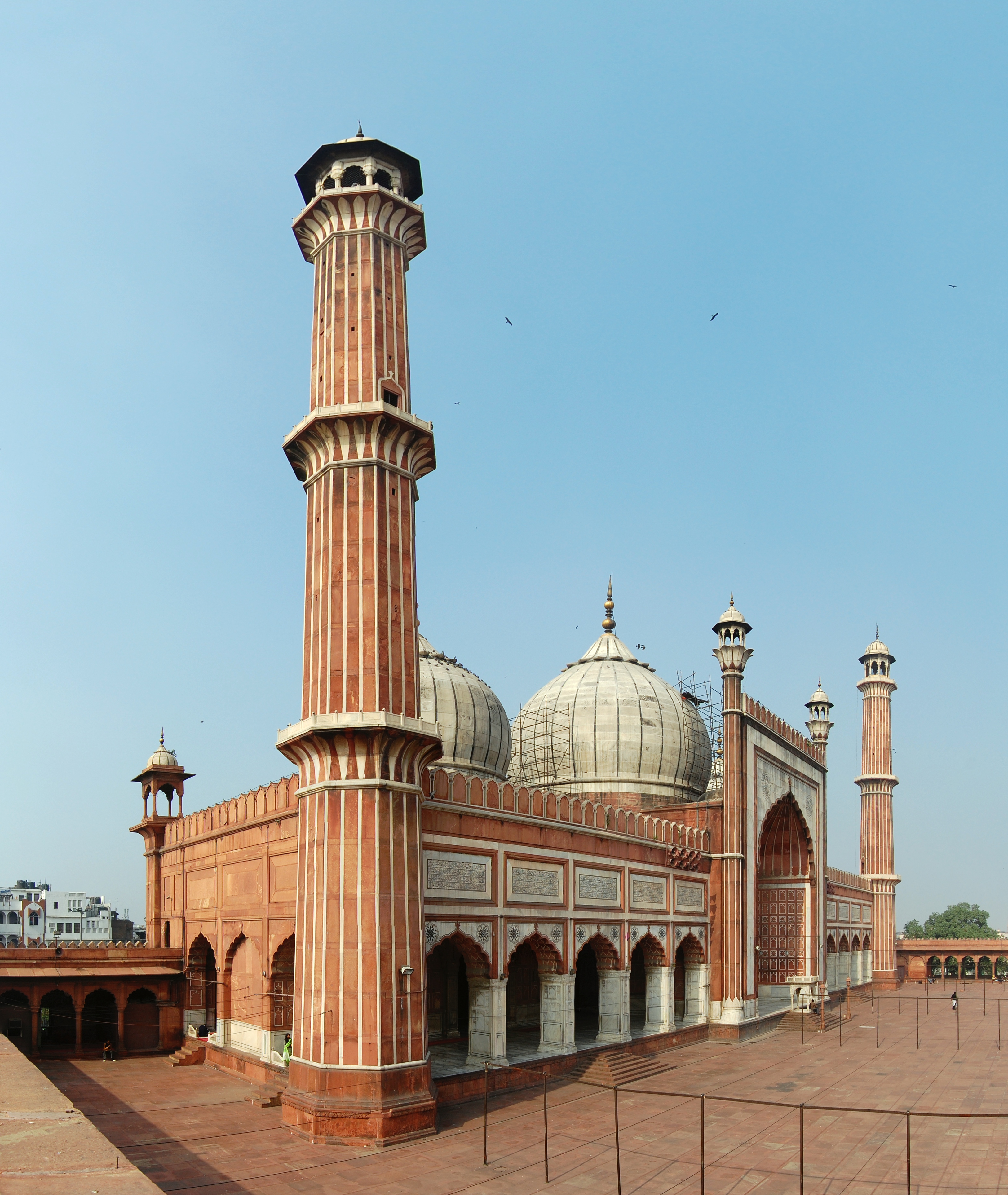
Delhi
Mughal monuments, imperial avenues and the country's main northern gateway.
Explore Delhi
Agra & the Taj Mahal
The Taj Mahal, Agra Fort and Fatehpur Sikri — three World Heritage sites in one stop.
Explore Agra & the Taj Mahal
Rajasthan
Desert kingdom of fort cities — Jaipur, Udaipur, Jodhpur and Jaisalmer.
Explore Rajasthan
Kerala
Backwater houseboats, tea hills, wildlife reserves and a distinct southern food culture.
Explore Kerala
Varanasi
Ghats on the Ganges, dawn boat rides and evening aarti ceremonies.
Explore Varanasi
Goa
Beach strip with Portuguese-era churches, a busy north and a quieter south.
Explore Goa
Ladakh
High-altitude desert of monasteries and passes, accessible mainly in summer.
Explore Ladakh
Mumbai
Art deco waterfront, film industry energy and the best restaurant range in the country.
Explore MumbaiWhen to go to India
Highlighted months balance weather, crowds and price for most travellers.
Main season · Nov–Mar
Dry and comparatively cool across most of the country — the standard window for the north, Rajasthan and the south.
Hot season · Apr–May
Very hot on the plains and in Rajasthan; this is when the Himalayan hill stations and Ladakh come into their own.
Southwest monsoon · Jun–Sep
Arrives in Kerala around early June and advances north. Heavy rain, travel disruption in places, but the Western Ghats are at their most spectacular.
Himalaya & Ladakh · Jun–Sep
The inverse season: high mountain regions are only reliably accessible in the summer months.
Northeast monsoon · Oct–Dec
Tamil Nadu and the southeast coast get much of their rain later than the rest of the country.
Seasonality & crowds
How busy India typically feels month by month.
- Quiet
- Moderate
- Busy
- Peak
National approximation for decision support only — it never affects match scores. It tracks the dry-season international arrivals plus the Christmas–New Year spike in Goa and Rajasthan; the quiet monsoon months are peak season in Ladakh and the hill states. Major festivals such as Diwali and Holi create sharp local demand and full trains regardless of the monthly picture.
Informative only — crowd levels do not affect your match percentage.
Suggested itineraries
Golden Triangle
8 daysThe classic first trip: Delhi, Agra and Jaipur.
Route: Delhi → Agra & the Taj Mahal → Rajasthan
Rajasthan in depth
14 daysFort cities, lakes and desert at a slower pace.
Route: Delhi → Agra & the Taj Mahal → Rajasthan
Southern loop
12 daysBackwaters, tea hills and coast, with a city start.
Route: Mumbai → Kerala → Goa
Getting around India
- Indian Railways covers the country cheaply and comprehensively; book reserved classes well ahead
- Domestic flights are inexpensive and save days on long north–south legs
- Hired car with driver is the standard way to cover Rajasthan or Kerala comfortably
- Ride-hailing apps and auto-rickshaws handle city travel; agree fares or use the meter
- Overnight trains and buses are normal for long routes but allow buffer time for delays
Major airports
DEL · Delhi
Indira Gandhi International — the largest hub
BOM · Mumbai
Chhatrapati Shivaji Maharaj International
BLR · Bengaluru
Kempegowda International
MAA · Chennai
Chennai International
COK · Kochi
Cochin International — Kerala gateway
GOX · Goa
Manohar International — north Goa
India guides
Best time to visit
Best time to visit India
When to go to India: the months that balance weather, crowds and price, plus what each season actually feels like.
Trip costs
How much does a trip to India cost?
A structured breakdown of flights, lodging, transport and food for a 21-day trip to India at three budget levels.
Where to go
Where to go in India
Matching India's regions and cities to trip types — first-timers, beach weeks, food trips and family holidays.
Budget guide
India on a budget
How to travel India cheaply without gutting the trip — daily numbers, cheaper months and where the savings actually are.
Itinerary
21 days in India: itinerary
A realistic 21-day route through India with sensible stop lengths, travel days and costs.
Seasonal guide
India in November
What India is like in November: weather, crowds, prices and the trips that work best that month.

Sources & methodology
Last verified Aug 2026
- Official facts
- Monsoon timing and regional climate framing come from the India Meteorological Department; rail and destination information from Indian Railways and the Ministry of Tourism. Visa requirements change and must be verified officially.
- Cost estimates
- Daily costs are ranges built from traveller-reported benchmarks, excluding international flights. The gap between everyday travel and heritage-hotel travel is unusually wide.
- Editorial scores
- Travel-style scores are Where We Go editorial calibration — a judgement of what the country is good for, not an external measurement.
References
- Incredible India — Ministry of TourismOfficial tourism board
- India Meteorological Department — monsoon onset and withdrawalOfficial statistics
- Indian Railways — IRCTC booking and networkRail operator
- Budget Your Trip — India cost benchmarkTraveller-reported data
Match percentages weight budget fit 25%, interests 25%, weather 15%, trip duration 15%, accessibility 10% and traveller type 10%. Seasonality and crowding are shown for context only and never change the score.