Best time to visit India
When to go to India: the months that balance weather, crowds and price, plus what each season actually feels like.
5 min read · Updated 2026-08-01
November, December, January, February, March are the strongest months in India. Dominated by the southwest monsoon rather than by temperature: hot pre-monsoon spring, wet June–September in most regions, and a dry, cooler October–March travel season — with the Himalaya and the far south on different cycles
Season by season
How the year breaks down for trip planning.
- Main season (Nov–Mar) — Dry and comparatively cool across most of the country — the standard window for the north, Rajasthan and the south.
- Hot season (Apr–May) — Very hot on the plains and in Rajasthan; this is when the Himalayan hill stations and Ladakh come into their own.
- Southwest monsoon (Jun–Sep) — Arrives in Kerala around early June and advances north. Heavy rain, travel disruption in places, but the Western Ghats are at their most spectacular.
- Himalaya & Ladakh (Jun–Sep) — The inverse season: high mountain regions are only reliably accessible in the summer months.
- Northeast monsoon (Oct–Dec) — Tamil Nadu and the southeast coast get much of their rain later than the rest of the country.
Best value window
Hot season (Apr–May) usually gives the best balance: very hot on the plains and in rajasthan; this is when the himalayan hill stations and ladakh come into their own. Shifting a trip two or three weeks either side of peak is normally the single biggest saving available.
How long to stay
Most trips to India work best at 12–21 days, which is enough for Delhi, Agra & the Taj Mahal, Rajasthan without living on transport days.
Recommended destinations

Where to go in India
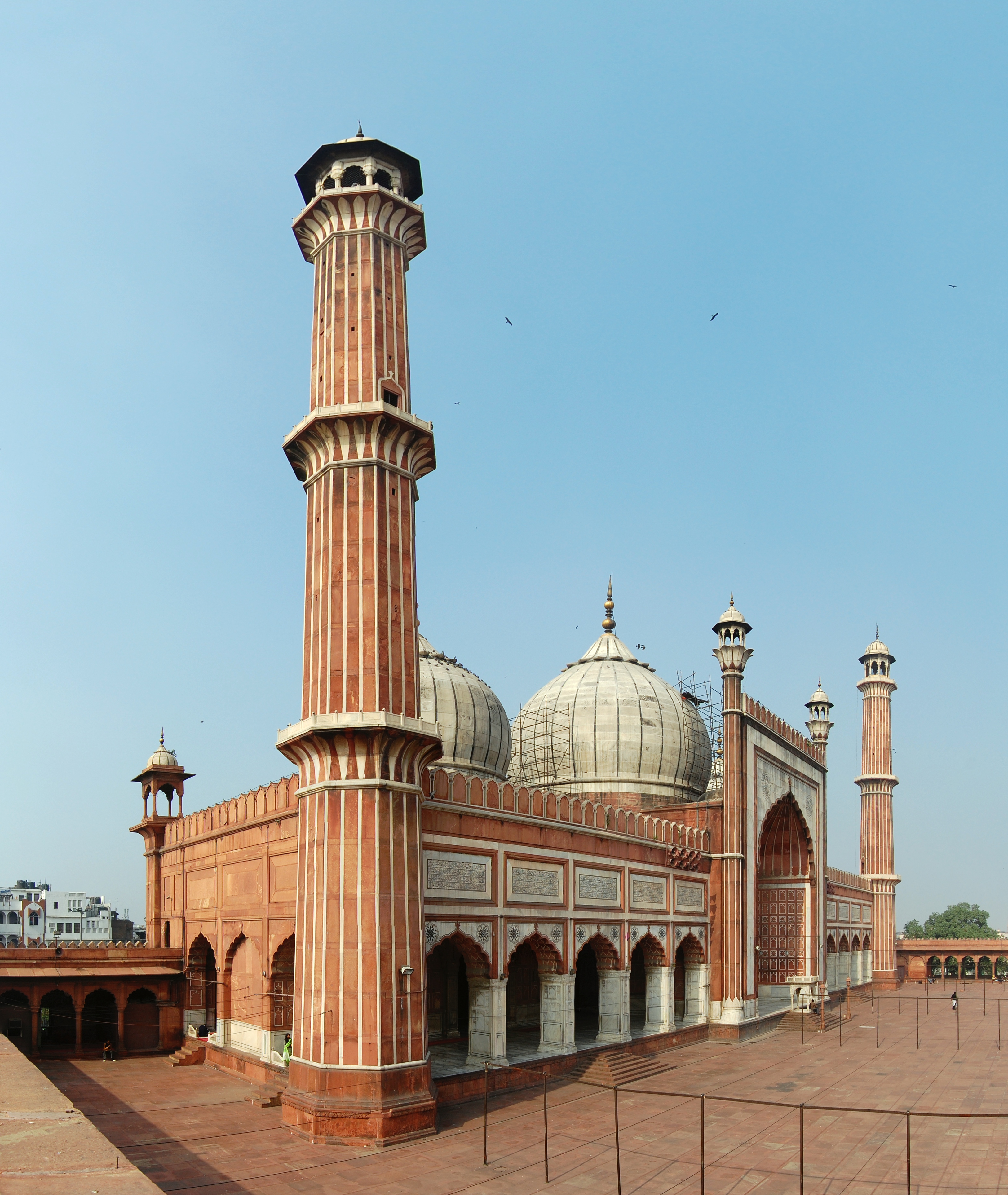
Delhi
Mughal monuments, imperial avenues and the country's main northern gateway.
Explore Delhi
Agra & the Taj Mahal
The Taj Mahal, Agra Fort and Fatehpur Sikri — three World Heritage sites in one stop.
Explore Agra & the Taj Mahal
Rajasthan
Desert kingdom of fort cities — Jaipur, Udaipur, Jodhpur and Jaisalmer.
Explore Rajasthan
Kerala
Backwater houseboats, tea hills, wildlife reserves and a distinct southern food culture.
Explore KeralaRelated guides
Find the destination that fits your trip
Compare every destination against your own budget, dates and travel style.