
United States
A continent of separate trips: cities, national parks, deserts, coastlines and islands
- Budget level
- Higher cost
- Best months
- May, Jun, Sep, Oct
- Ideal trip length
- 10–18 days
- Region
- North America
Overview
The United States does not have a usable national climate or a single best season — it has to be planned regionally. Northeast cities, Florida, the Southwest deserts, the California coast, the Mountain West, the Pacific Northwest, Alaska and Hawaii each run materially different calendars, and the National Park Service is explicit that visitors should check park- and region-specific weather, road access, operating seasons and reservation requirements before travelling. Choose one or two regions per trip rather than trying to cross the country.
Climate: No single national climate — plan by region. Northeast cities, Florida, the Southwest deserts, the California coast, the Mountain West, the Pacific Northwest, Alaska and Hawaii have materially different seasons.
Plan 10–18 days to see United States without rushing. Shorter trips work best from a single base; longer trips justify a second region.
Plan & book
Flights, stays and activities for United States will be bookable here soon. For now, check how United States fits your budget and dates with the trip finder.
Route and fare comparison will appear here once flight partners are connected.
Curated stays by area and budget will appear here once hotel partners are connected.
Bookable experiences will appear here once activity partners are connected.
Rental pickup options will appear here once car partners are connected.
Cover options will appear here once insurance partners are connected.
Why go to United States
- Rated 10/10 for beach (editorial score)
- Rated 10/10 for nature (editorial score)
- Rated 10/10 for nightlife (editorial score)
- Higher cost for daily spending
- Works best on trips of 10–18 days
Travel-style scores
- Beach10/10
- Nature10/10
- Food8/10
- Nightlife10/10
- Culture8/10
- Adventure10/10
- Romance8/10
- Family10/10
- Backpacking7/10
- Luxury10/10
These are WhereWeGo editorial scores — our own calibration of what United States is good for, not an external measurement.
Check the match for your dates and budgetBudget
Typical independent-travel estimates, excluding international flights. Planning estimates, not quotes.
Budget
$100–$170
per person, per day (estimate)
Hostels, buses, markets and self-catering
Mid-range
$250–$400
per person, per day (estimate)
Hotels or apartments, restaurants, some tours
Higher-end
$700–$1,000+
per person, per day (estimate)
Upscale stays, private transport, fine dining
Guidance, not guarantees. Major cities, national-park gateway towns in summer and Hawaii sit at the top of these ranges; smaller towns and off-season travel sit well below. Taxes and tips are usually added on top of listed prices, and rental cars plus fuel are a significant separate line for road trips.
Flights are not included. We only show flight prices once they come from a live fare source.
Practical information
- Language
- English; Spanish is widely spoken in many regions
- Currency
- US dollar (USD)
- Power
- Type A/B, 120V
- Safety
- Conditions vary widely by city and area — follow local guidance, and check park-specific safety, wildlife and weather advice before outdoor trips
- Tipping
- Tipping is expected in restaurants and bars, commonly around 18–20%
- Entry
- Entry rules depend on nationality — verify current official requirements before booking.
Where to go in United States
Pick a city or region to see when to go, how long to stay and what it is good for.

New York City
Dense, walkable and transit-served: museums, food, theatre and distinct neighbourhoods.
Explore New York City
California Coast
San Francisco to Los Angeles via Big Sur — the classic Pacific road trip.
Explore California Coast
Utah & Southwest Parks
Zion, Bryce, Arches, Canyonlands and the Grand Canyon on one desert road-trip loop.
Explore Utah & Southwest Parks
Florida
Warm-winter beaches, the Keys, the Everglades and family theme-park capitals.
Explore Florida
Hawaii
Volcanic Pacific islands with warm water year-round, hiking and distinct island characters.
Explore Hawaii
Pacific Northwest
Seattle and Portland with rainforest, volcanoes and coastline within easy driving range.
Explore Pacific Northwest
New Orleans & the Southeast
Music, Creole food and river culture, with the Gulf coast and the Deep South nearby.
Explore New Orleans & the Southeast
Alaska
Glaciers, wildlife and vast parks in a short but intense summer visitor season.
Explore AlaskaWhen to go to United States
Highlighted months balance weather, crowds and price for most travellers.
Northeast & Midwest cities · May–Jun, Sep–Oct
Spring and autumn are the comfortable windows; summer is hot and humid, winter cold.
Southwest deserts & Utah parks · Mar–May, Sep–Nov
Midsummer desert heat is extreme; shoulder seasons are the practical park windows.
Mountain West parks · Jun–Sep
High-elevation roads, facilities and services operate seasonally — the NPS advises checking each park's operating dates and reservation rules.
Florida & the Gulf · Nov–Apr
Warm dry-season months; summer is hot, humid and inside the Atlantic hurricane season.
Hawaii · Year-round
Warm in every month, with somewhat wetter winter months and higher demand around holidays.
Alaska · Jun–Aug
A short summer window is when most visitor services, tours and road access operate.
Seasonality & crowds
How busy United States typically feels month by month.
- Quiet
- Moderate
- Busy
- Peak
National approximation for decision support only — it never affects match scores, and no single curve describes this country. Ski destinations peak in winter, Florida and Hawaii peak around the winter holidays, national parks peak in summer with timed-entry and reservation systems in several parks, and city demand tracks events and conventions more than weather.
Informative only — crowd levels do not affect your match percentage.
Suggested itineraries
Southwest parks loop
10 daysDesert national parks by rental car from Las Vegas.
Route: Utah & Southwest Parks → California Coast
California coast drive
9 daysTwo cities, Big Sur and beach towns in between.
Route: California Coast
East coast city break
6 daysMuseums, food and neighbourhoods without a car.
Route: New York City
Winter sun
8 daysWarm-weather beaches and wetlands in the dry season.
Route: Florida
Getting around United States
- A rental car is the default outside a handful of dense cities, and road trips are a core way to travel here
- Domestic flights are usually necessary for cross-country moves — coast-to-coast driving takes days
- New York, Chicago, Washington, Boston and San Francisco have usable public transit; most other cities do not
- National parks increasingly use timed entry, shuttles or reservations in peak season — check each park before arriving
- Long-distance rail and coach exist but are slow relative to flying
Major airports
JFK · New York
John F. Kennedy International
LAX · Los Angeles
Los Angeles International
ORD · Chicago
O'Hare International
MIA · Miami
Miami International
SFO · San Francisco
San Francisco International
SEA · Seattle
Seattle–Tacoma International
LAS · Las Vegas
Harry Reid International — common Southwest parks start
HNL · Honolulu
Daniel K. Inouye International
United States guides
Best time to visit
Best time to visit United States
When to go to United States: the months that balance weather, crowds and price, plus what each season actually feels like.
Trip costs
How much does a trip to United States cost?
A structured breakdown of flights, lodging, transport and food for a 18-day trip to United States at three budget levels.
Where to go
Where to go in United States
Matching United States's regions and cities to trip types — first-timers, beach weeks, food trips and family holidays.
Budget guide
United States on a budget
How to travel United States cheaply without gutting the trip — daily numbers, cheaper months and where the savings actually are.
Itinerary
18 days in United States: itinerary
A realistic 18-day route through United States with sensible stop lengths, travel days and costs.
Seasonal guide
United States in May
What United States is like in May: weather, crowds, prices and the trips that work best that month.
More destinations in North America
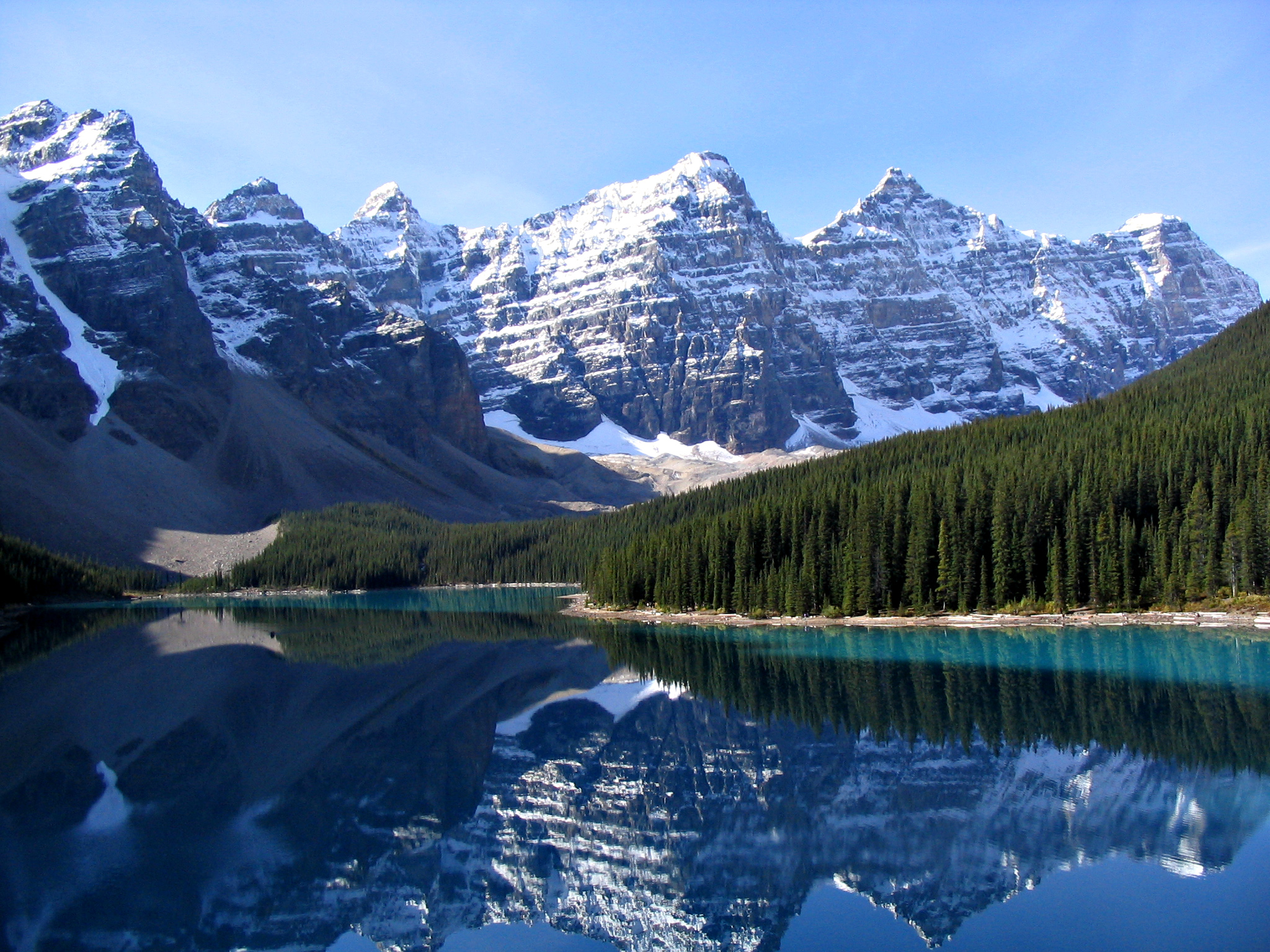
Canada
Rockies road trips, four real seasons, big-city variety and northern wilderness
- Budget
- Higher cost · ~$210/day
- Best months
- Jun · Jul · Aug · Sep
- Ideal trip length
- 10–16 days

Mexico
Beaches, highland cities and one of the world's great food cultures
- Budget
- Affordable · ~$140/day
- Best months
- Nov · Dec · Jan · Feb · Mar · Apr
- Ideal trip length
- 7–14 days
Sources & methodology
Last verified Aug 2026
- Official facts
- Park access, seasonal operating windows, reservation and timed-entry requirements and the advice to plan by specific region or park come from the National Park Service. The Yellowstone seasons page is cited as one representative example of season-dependent access, not as a national proxy.
- Cost estimates
- Daily costs are ranges built from traveller-reported benchmarks (approx. US$121/day budget, US$325/day mid-range, US$927–928/day higher-end). They exclude international flights and are guidance, not quotes.
- Editorial scores
- Travel-style scores are our own editorial calibration — a judgement of what the country is good for, not an external measurement.
References
- National Park Service — Plan Your VisitOfficial tourism board
- National Park Service — Travel tipsOfficial tourism board
- National Park Service — Yellowstone seasons (representative example, not a national proxy)Official tourism board
- Budget Your Trip — United States cost benchmarkTraveller-reported data
- Budget Your Trip — United States trip costTraveller-reported data
Match percentages weight budget fit 25%, interests 25%, weather 15%, trip duration 15%, accessibility 10% and traveller type 10%. Seasonality and crowding are shown for context only and never change the score.